
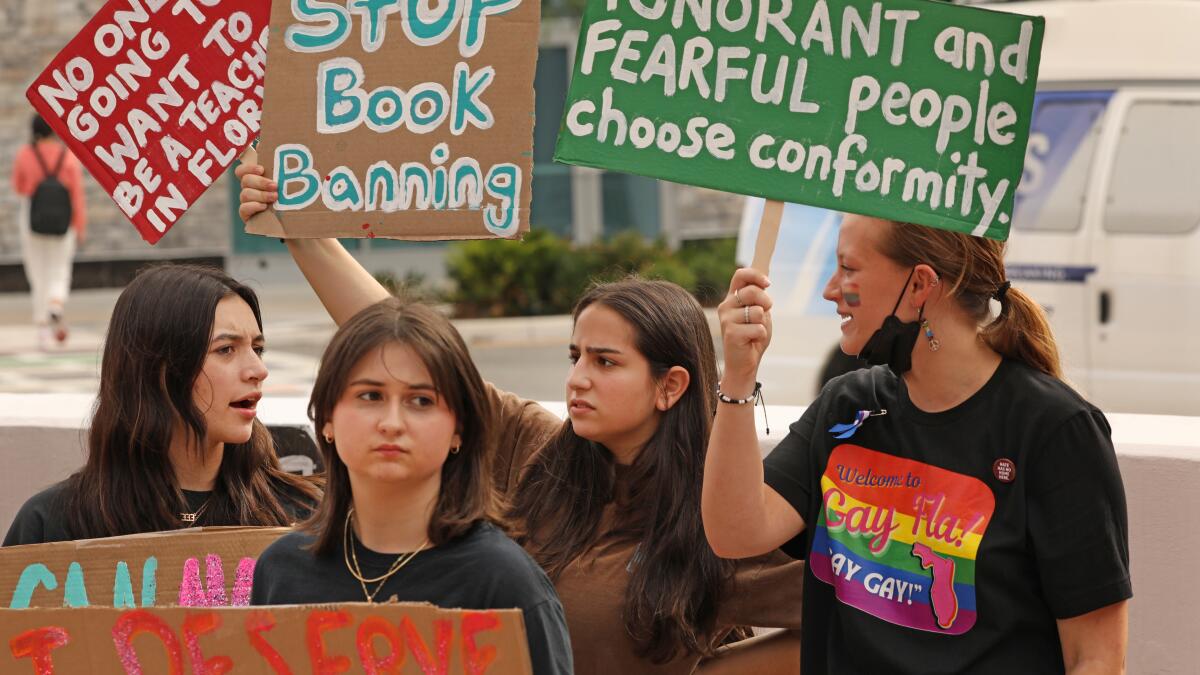
We’re making the world dumber without books
Libraries are often seen as gateways to knowledge and imagination, especially for children. But increasingly, they’re becoming battlegrounds for censorship, with certain books being challenged or removed from shelves. While the intent behind these actions may be to protect children, evidence suggests that censorship actually does more harm than good.
1. Stifled Intellectual Development

Books encourage children to think broadly by introducing them to people, places, and ideas they might not otherwise experience. Censorship limits children’s exposure to diverse perspectives, complex ideas, and challenging topics. This can hinder their ability to develop critical thinking skills, empathy, and a nuanced understanding of the world around them. By shielding children from difficult subjects, we deprive them of the opportunity to grapple with important issues and form their own informed opinions. Fuck that noise!
2. Undermining Trust in Institutions:
When children see books being removed from their libraries, it sends a message that certain ideas and voices are unacceptable. This can erode their trust in institutions meant to foster learning and open inquiry. It can also lead to self-censorship, where children may hesitate to explore topics or express themselves freely for fear of reprisal.
3. Perpetuating Harmful Stereotypes:
Often, books targeted for censorship deal with issues of race, gender, sexuality, and social justice. Removing these books can reinforce harmful stereotypes and prevent children from seeing themselves reflected in the literature they consume. This can be particularly damaging for children from marginalized communities, who may already feel invisible or excluded.
4. Creating a Chilling Effect on Educators:
The threat of censorship can lead to a chilling effect on educators, who may self-censor their curriculum or avoid discussing controversial topics altogether. This limits children’s educational opportunities and creates a climate of fear and conformity in the classroom.
5. Contradicting Educational Goals:
Censorship in libraries runs counter to the fundamental goals of education, which are to foster intellectual curiosity, critical thinking, and a love of learning. By restricting access to information, we limit children’s potential and hinder their ability to become informed and engaged citizens.
Evidence:
- The American Library Association (ALA) documents numerous challenges to books in libraries each year, often targeting works with diverse characters or themes.
- Studies have shown that exposure to diverse literature can improve children’s empathy, critical thinking skills, and understanding of social issues.
- Experts in child development and education emphasize the importance of allowing children to grapple with complex topics and form their own opinions.
Conclusion:
Censorship in libraries may be well-intentioned, but it ultimately harms children by limiting their access to information, stifling their intellectual development, and perpetuating harmful stereotypes. It’s crucial to protect intellectual freedom and ensure that libraries remain safe spaces for children to explore ideas, challenge assumptions, and develop their own understanding of the world.
🤖 Written by a robot, but the sentiment is from the heart.